


Dogs in Autumn

Updated: Sep 20
Enjoy Autumn with Your Dog

After the hot summer months, walks become more enjoyable again and many dogs become more active. Here are the autumn topics we take a closer look at:
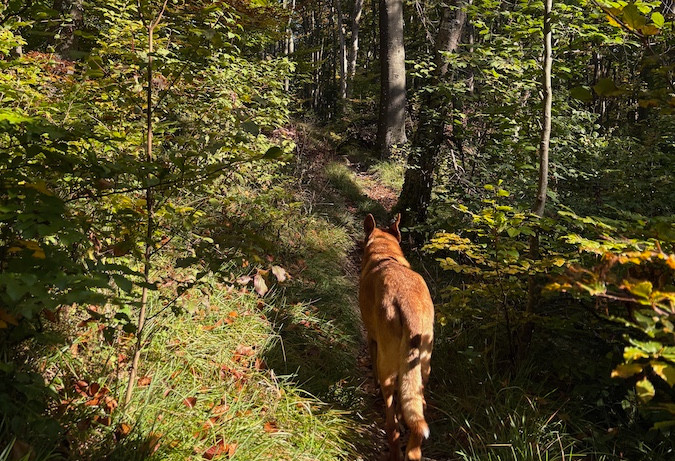
Enjoy Longer Walks Again
For dogs that struggled with the summer heat, autumn can be a particularly welcome change. Walks can become longer again while hiking and more active outings are often much more enjoyable in cooler temperatures.
If your dog was less active over the summer, increase their exercise gradually. Age, general health and fitness all influence how quickly you should build activity back up.
Older dogs can enjoy the cooler weather too. If joint problems are an issue, regular gentle movement can be beneficial for many dogs.
Several walks that suit your dog’s fitness level are often better than long periods of inactivity. If your dog is fit enough, you can also include slightly brisker stretches from time to time.
In cold or wet weather, try to keep your dog warm and give them the chance to dry off and warm up properly once you get home.

Why Dogs React in the Dark
The days quickly become shorter in autumn. Early morning walks and evening outings suddenly happen in the dark much more often which makes good visibility especially important.
Reflective harnesses, collars or small lights can make it easier for drivers and other road users to see your dog. Extra visibility is particularly useful for dogs with dark coats.
In the forest or on paths with limited visibility using a leash or long line can also be a sensible choice. This is especially important for dogs with a strong hunting instinct or dogs whose recall is not yet reliable.
Wildlife is active in autumn too. Rustling leaves and stronger or unfamiliar scents can make the surroundings even more interesting for your dog.
Darkness itself can also change how your dog reacts to people, other dogs or objects. From a distance, they may only be able to make out a vague shape or silhouette.
Hoods, hats, umbrellas and unusual movements can make someone even harder to identify. Your dog also has less visual information available than they would during daylight which can make it more difficult to assess a situation.
Some dogs therefore become tense more quickly in the dark or respond by barking or growling. This is particularly common when something appears suddenly or when the dog already tends to feel unsure.
Your own behaviour can influence the situation as well. If you feel more cautious in the dark and shorten the leash as soon as someone approaches, your dog may notice the change and realise that something feels different.
Give your dog enough space and time to take in the situation. Barking or growling does not always need to be stopped immediately. It may simply be your dog expressing uncertainty or asking for more distance.
Autumn Hazards for Dogs
Autumn walks come with plenty of tempting discoveries. Acorns, horse chestnuts, walnuts and mushrooms can often be found right beside paths or on forest floors.

If your dog likes to pick things up while you are out, this is one of the autumn hazards for dogs that deserves a little extra attention.
What Is Toxic To Dogs?
Acorns and horse chestnuts should not be eaten. They can cause gastrointestinal problems. Whole fruits or larger pieces may also become lodged in the digestive tract if swallowed.
Horse chestnuts and other parts of the horse chestnut tree contain aesculin. This naturally occurring toxin can irritate a dog’s gastrointestinal tract and may cause symptoms such as vomiting or problems with coordination. Whole horse chestnuts can also cause an intestinal blockage which can become life threatening.

Extra caution is needed around unfamiliar mushrooms. Some species can cause severe poisoning in dogs and it is often impossible to identify exactly what your dog has eaten while you are outside.
If you think your dog may have swallowed an unknown mushroom, contact your vet straight away.
Spoiled or mouldy walnuts should also be kept away from dogs. Certain moulds can produce tremorgenic mycotoxins. Poisoning may cause vomiting, tremors, coordination problems or seizures.
Teach Your Dog To Drop It
If your dog likes to pick things up outdoors, your entire walk does not have to become a constant series of warnings.
It is far more useful to teach your dog to leave an item alone or willingly drop something they have already picked up. You can also teach them to exchange it for something worthwhile.
This takes time and it is best practised before your dog has something especially exciting in their mouth.
A reliable cue and a fair exchange give your dog a clear alternative. These skills are useful far beyond autumn and can make everyday walks much more relaxed throughout the year.
Ticks in Autumn
The end of summer does not mean the end of tick season.
In Switzerland, the castor bean tick, Ixodes ricinus, has another typical peak in activity between September and November.
The ornate dog tick, Dermacentor reticulatus, may even remain active into December when weather conditions are favourable.

Continue checking your dog regularly for ticks after walks during autumn.
Ticks can be found on grasses and shrubs where they wait for a passing animal. If you find one attached to your dog, remove it as soon as possible using a suitable tick removal tool.
If you are unsure which form of tick protection is right for your dog, speak to your vet.
What I do with my own dogs: During periods of low tick activity, I use NaVita Organic Black Seed Oil sparingly in their food and on the coat before walks. As tick season begins, I add NaVita Flea & Tick Protection approximately every 7-10 days.
When travelling to higher-risk areas – such as the mountains or southern regions – or as soon as I find and instantly remove the first tick, I switch to a veterinary tick treatment until the end of tick season. I prefer a spot-on such as Advantix to chewable treatments such as Bravecto, Simparica or NexGard: with systemic tablets, ticks need to attach and start feeding before they are exposed to the active ingredient, whereas Advantix also repels ticks and therefore reduces tick attachment and biting.
Especially with puppies, senior dogs or dogs with health issues, I try to use chemical tick protection as selectively as necessary and discuss the most suitable option with a vet when in doubt.
Time for the Winter Coat
Many dogs begin replacing their lighter summer coat with a denser winter coat during autumn.
How much autumn dog shedding you notice depends on your dog’s breed, coat type, living conditions and individual coat cycle.
Regular brushing can help remove loose hair and undercoat. It also gives you a good opportunity to check your dog’s skin and coat more closely.
Look out for redness, dandruff, significant itching or unusual bald patches. If you notice any of these changes or they do not settle, ask your vet to take a closer look.
Brush your dog gently and take your time. If you are unsure how much pressure to use, test the brush on the inside of your own forearm first. A dog’s skin is thinner than human skin.
A Groomer's Tip
Work through the coat slowly in small sections with a suitable metal comb.
Some dematting and undercoat removal tools, including deshedding tools such as the FURminator, may damage or break healthy topcoat as well as removing loose undercoat if they are used too often or incorrectly.
The best grooming tool therefore depends on your dog’s individual coat type.
After wet autumn walks, make sure your dog’s coat can dry thoroughly. This is particularly important for long-haired dogs and older dogs.
Absorbent microfibre towels are useful for removing moisture and dirt and can also help reduce some of that familiar wet-dog smell.
Cold Affects Every Dog Differently
Dogs do not all experience cold weather in the same way.
Coat type, undercoat, body size, age, health and activity level all affect how well a dog copes with lower temperatures.
Small dogs, older dogs, underweight dogs and dogs that are unwell may be more sensitive to cold weather. The same can apply to dogs with short or thin coats.
Wind and moisture can make cold conditions harder to tolerate.
Rather than relying on a particular outdoor temperature, watch how your own dog behaves.
Signs that your dog may be struggling with the cold include:
shivering or trembling
a tense or hunched posture
walking noticeably more slowly
repeatedly lifting their paws
trying to find shelter from wind or rain
clearly wanting to go back home
Shivering on its own does not necessarily mean your dog is becoming hypothermic. It can have other causes too.
When it happens alongside other signs or in particularly cold conditions, however, it can be a useful indication that your dog is no longer comfortable.

A well-fitting raincoat or winter coat can be helpful for some dogs. It should keep your dog warm and as dry as possible without restricting natural movement.
Whether your dog needs a coat does not depend on breed alone. The most important question is how well your individual dog copes with cold, wind and wet weather.
As temperatures drop, it becomes especially important for dogs that are sensitive to the cold to keep moving.
Puppies, older dogs and dogs that are small, very lean or short-haired may lose body heat more quickly when they spend long periods standing still.
Walking In The Rain
Some dogs would happily turn around and head straight home as soon as the weather turns bad.
That does not necessarily mean they simply do not feel like walking. Some dogs are particularly sensitive to rain, wind or cold. Physical discomfort may also affect how willing they are to continue.
Start by looking at what your dog is telling you. Do they seem tense? Are they cold? Are they moving differently from usual?
If your dog suddenly becomes reluctant to go for walks or you notice a clear change in their behaviour, it may be worth asking your vet to rule out an underlying physical problem. Not every walk needs to be the same length.
On particularly unpleasant days, shorter walks are perfectly fine. You can add calm activities at home such as scent games, simple search exercises or a little training. Sometimes relaxing together is enough too.
Time to Sniff and Learn
An autumn walk is full of information for your dog.
Moisture changes scents, wildlife is more noticeable and forest paths can smell and look different from one day to the next.
Give your dog time to sniff and explore. A valuable walk does not need to cover as many kilometres as possible.
Autumn also creates plenty of everyday situations that can naturally become part of your dog’s training.
Darkness, people wearing coats or hoods, rustling leaves, wind and unfamiliar noises suddenly become part of daily life again.
For puppies and dogs that tend to feel unsure, the aim is not to expose them to as many new things as possible in a short period.
Allow them to experience unfamiliar situations at their own pace.
Being able to observe, keep a comfortable distance and look to you for guidance can be just as valuable as moving forward.
This is how an ordinary autumn walk can become an opportunity to learn together.
Lots of small experiences that your dog can manage successfully may gradually help them feel more confident when they encounter something unfamiliar.
Conclusion: Active Through Autumn
Good autumn dog care is ultimately about noticing what your individual dog needs and adjusting accordingly.
Cooler temperatures, new scents and more varied walks make autumn a particularly enjoyable season for many dogs.
With a little extra awareness around darkness, ticks, potentially harmful things on the ground, cold and wet weather, many common autumn risks are easy to keep an eye on.
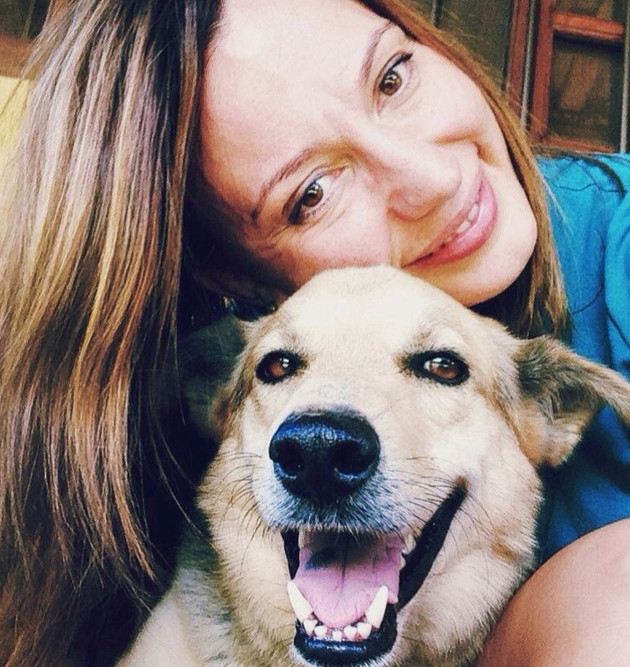
Above all, focus on your own dog.
What do they enjoy? What do they need right now? Where might they need a little more support?
There is no single version of the perfect autumn walk. What feels relaxed and enjoyable will look different for every dog and every person.
If your dog feels insecure in certain everyday situations or you are not sure how to move forward with a particular issue, we can look at what may be behind their behaviour together and find the kind of support that suits you.
Dogs In Autumn: FAQs
Are Ticks Still Active in Autumn?
Yes. In Switzerland, the castor bean tick is particularly active again between September and November.
Continue checking your dog regularly for ticks throughout autumn even when summer is already over.
When Does a Dog Feel Cold in Autumn?
This varies from dog to dog.
Coat type, age, body build and general health all play an important role. Shivering, a tense posture or clearly wanting to go home may be signs that your dog is feeling cold.
Does My Dog Need a Coat in Autumn?
Not every dog needs a coat.
For short-haired dogs, older dogs or dogs with health problems, a coat can be useful in cold, windy or wet weather. The deciding factor is how well your individual dog copes with the conditions.
What Can I Do With My Dog When It Rains?
Shorter walks are absolutely fine on rainy days.
At home, you can add scent games, sniffing activities or a few simple training exercises. The most important thing is to choose activities your dog genuinely enjoys.
Expert content: Claudia Lang, Hund aufs Herz Dog Training
Editing: Tanja Täuschel


Comments